International Association of Licensed Commissioned Chaplains
BADGE & ID AUTHORIZATION
Badge and ID Authorization for Non-Police Chaplains:
The bearer is authorized to carry and display a chaplaincy badge and official identification clearly marked "Chaplain" as a recognized spiritual care provider. This right is protected and standardized under:
Federal Agency Standards (e.g., 12 FAM 370, U.S. Department of State): Authorize chaplain badges as official identification media for clergy services within facilities valid up to three years with renewal, distinct from law enforcement credentials,
This person is authorized to provide spiritual care, emotional support, and counseling services in approved crisis and emergency environments.
Verification of Licensed and Commissioned Chaplain First Responder Status
This individual is a duly licensed and commissioned Chaplain First Responder through Harvest Christian University. The credential confirms completion of trauma-informed, behavioral health, and crisis response training required for deployment in emergency and first responder settings.

Main Badge
Chaplaincy Main Badge Statement IALCC
Chaplaincy Main Badge Statement
IALCC
A "main badge" often refers to a primary insignia that signifies rank, position, or a significant achievement within the organizational structure. This badge holds a higher status compared to other badges. and is held by HRM Dr. Edmund Keli' Silva.
The main badge of the International Association of Licensed Commissioned Chaplains (IALCC) at Harvest Christian University serves as a symbol of authority and status, often overshadowing other badges in terms of recognition and importance. This primary insignia represents the highest level of chaplaincy certification and authority within our organization. The hierarchy established by this main badge is governed by clear regulatory frameworks that dictate how and where it should be displayed. This ensures clarity in rank and role within our chaplaincy contexts, similar to military organizational structures.
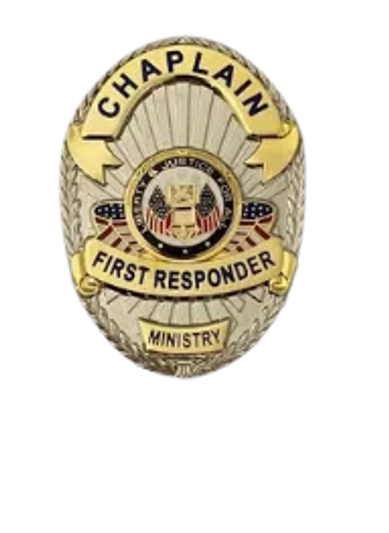
International Association of Licensed Commissioned Chaplains
BADGE & ID Carry
Texas Statutes
- Texas Penal Code §37.11: Prohibits impersonation of public servants but exempts non-deceptive use of identifiers for honorary, reserve, or volunteer roles, including chaplains partnering with law enforcement.
- Texas Education Code §22.901 (SB 763): Permits school districts to employ or accept volunteer chaplains for student support, with no badge restrictions noted.
- Texas Rules of Evidence Rule 505: Shields clergy-penitent privilege, affirming legal recognition of ordained chaplains without barring identification badges.
Federal Overlays
Federal protections under 42 U.S.C. §1983 and RFRA (42 U.S.C. §2000bb) enable clergy to carry such badges as constitutional exercise of religion, especially for first responders, absent state prohibition. For faith-based counselors, these shield practice from licensure overreach when not claiming secular therapy credentials.
Neither Texas nor Arizona prohibits clergy from carrying truthful chaplain identification, and no statute in either state regulates or bans badges marked "Chaplain" or "Clergy" for ordained ministers, elders, pastors, or counselors. These states affirmatively recognize and protect such identification for qualified clergy serving as first responders or in public roles, as long as badges avoid any implication of peace officer authority under Texas Penal Code §37.11 or Arizona Revised Statutes §13-2407. This legal clarity upholds constitutional rights for ordained professionals without restriction.
Texas Legal Support
Texas Education Code §22.901 (from Senate Bill 763, 2023) explicitly authorizes chaplains to serve in schools for counseling after background checks, directly enabling identification badges for these roles without licensure barriers. Texas Rules of Evidence Rule 505 legally defines and protects "clergy member" status broadly, including ministers and similar functionaries, ensuring their professional identification remains unchallenged in legal or public settings.
Arizona Legal Support
Arizona Revised Statutes §13-3112 allows non-peace officer identifiers, such as those for chaplains or clergy, without regulation or prohibition, aligning with state practices for volunteer first responders. Both states' frameworks, bolstered by First Amendment protections, empower faith-based counselors and the International Association of Licensed Commissioned Chaplains to use clear "Chaplain" badges as ordained first responders exercising religious freedom.

Texas Education Code
Texas Education Code §22.901 and Rule 505 protections.
Texas Education Code Chapter 23, Section 23.001 (enacted via Senate Bill 763, effective 2023-2024 school year) explicitly authorizes public school districts and open-enrollment charter schools to employ or accept volunteer chaplains to provide student support, services, and programs—including mental health, behavioral support, restorative practices, and suicide prevention—without requiring State Board for Educator Certification. Chaplains must pass criminal background checks under Chapter 22, Subchapter C, and cannot have sex offender convictions, but no licensure or badge restrictions apply, enabling clear "Chaplain" identification for these roles.
Rule 505 Protections
Texas Rules of Evidence Rule 505 establishes clergy-penitent privilege, protecting confidential communications to a "clergy member"—defined broadly as ministers, priests, rabbis, or similar religious functionaries—from court disclosure, with the communicant or clergy able to assert it. This affirms clergy status legally without state oversight, shielding ordained ministers, elders, pastors, and chaplains from challenges to their professional identification in public or legal settings, including first responder duties alongside Penal Code §37.11 non-impersonation safeguards.
Combined Impact
Together, §23.001 empowers chaplains in schools with implicit badge support for visibility, while Rule 505 reinforces their protected status under First Amendment rights, allowing truthful identifiers like "Chaplain" or "Clergy" for faith-based counselors without prohibition. This framework benefits organizations like the International Association of Licensed Commissioned Chaplains serving as ordained first responders.

.