Main Badge
Chaplaincy Main Badge Statement IALCC
CHAPLAINCY MAIN BADGE STATEMENT – IALCC
A "main badge" refers to the primary insignia that signifies rank, position, or a significant achievement within the organizational structure, holding higher status than other badges and currently held by HRM Dr. Edmund Keliʻ Silva Jr.
The main badge of the International Association of Licensed Commissioned Chaplains (IALCC) at Harvest Christian University serves as a symbol of authority and status, carrying greater recognition and importance than other badges. It represents the highest level of chaplaincy certification and authority within the organization, establishing a clear hierarchy guided by defined regulations that govern how and where it is displayed. This structure ensures clarity of rank and role in chaplaincy contexts, similar to recognized military organizational frameworks.
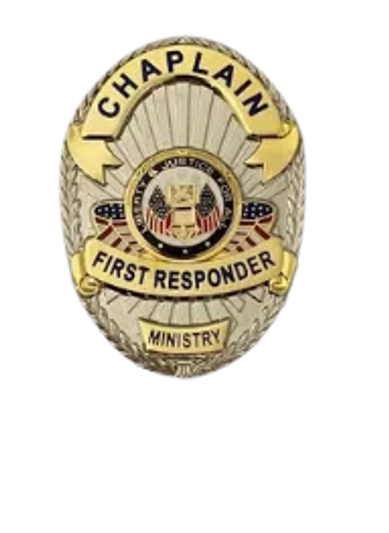
International Association of Licensed Commissioned Chaplains
His Royal Majesty Dr. Edmund Keli Paki-Silva
OFFICIAL ROYAL BADGE AUTHORITY
HIS ROYAL MAJESTY
DR. EDMUND KELI PAKI-SILVA
PRINCIPAL BEARER OF THE MAIN BADGE AUTHORITY
HIS ROYAL MAJESTY DR. EDMUND KELI PAKI-SILVA IS HEREBY OFFICIALLY RECOGNIZED AS THE AUTHORIZED HOLDER, CUSTODIAN, AND PRINCIPAL BEARER OF THE MAIN BADGE AND IDENTIFICATION AUTHORITY.
AS A ROYAL DIGNITARY AND OFFICIAL HOLDER OF THE MAIN BADGE, HRM DR. EDMUND KELI PAKI-SILVA IS EMPOWERED TO REPRESENT THE ORGANIZATION IN CEREMONIAL, ECCLESIASTICAL, DIPLOMATIC, HUMANITARIAN, COMMUNITY, AND OFFICIAL PROTOCOL CAPACITIES CONSISTENT WITH THE GOVERNING AUTHORITY, STRUCTURE, AND STANDARDS OF THE INSTITUTION.
BADGE & ID AUTHORIZATION
FOR NON-POLICE CHAPLAINS
THE BEARER IS AUTHORIZED TO CARRY AND DISPLAY A CHAPLAINCY BADGE AND OFFICIAL IDENTIFICATION CLEARLY MARKED “CHAPLAIN” AS A RECOGNIZED SPIRITUAL CARE PROVIDER.
THIS AUTHORIZATION IS RECOGNIZED UNDER ESTABLISHED CHAPLAINCY, ECCLESIASTICAL, FAITH-BASED, HUMANITARIAN, AND INSTITUTIONAL CREDENTIALING FRAMEWORKS FOR NON-POLICE RELIGIOUS AND COMMUNITY SERVICE PERSONNEL.
SUCH IDENTIFICATION IS INTENDED SOLELY FOR SPIRITUAL CARE, CEREMONIAL REPRESENTATION, PASTORAL ASSISTANCE, CRISIS RESPONSE SUPPORT, COUNSELING, HUMANITARIAN SERVICE, AND COMMUNITY SERVICE FUNCTIONS AND DOES NOT CONFER SWORN LAW ENFORCEMENT AUTHORITY, ARREST POWERS, PEACE OFFICER STATUS, OR GOVERNMENTAL POLICE POWERS.

MAIN BADGE AUTHORITY
His Royal Majesty Dr. Edmund Keli Paki-Silva II
Badge and ID Authorization for Non-Police Chaplains:
The bearer is authorized to carry and display a chaplaincy badge and official identification clearly marked "Chaplain" as a recognized spiritual care provider. This right is protected and standardized under:
Federal Agency Standards (e.g., 12 FAM 370, U.S. Department of State): Authorize chaplain badges as official identification media for clergy services within facilities valid up to three years with renewal, distinct from law enforcement credentials,
This person is authorized to provide spiritual care, emotional support, and counseling services in approved crisis and emergency environments.
Verification of Licensed and Commissioned Chaplain First Responder Status
This individual is a duly licensed and commissioned Chaplain First Responder through Harvest Christian University. The credential confirms completion of trauma-informed, behavioral health, and crisis response training required for deployment in emergency and first responder settings.
Meaning of A Chaplain
THE FIRST CHAPLAINCY – ORIGIN AND PREMISE
Historical Origin
- The first recorded chaplains were appointed in military contexts to provide spiritual support to soldiers in battle.
- The term “chaplain” comes from “capellanus” (Latin), meaning keeper of the cap or relic of St. Martin, symbolizing protection and guidance.
- Early chaplains were embedded with armed forces, hospitals, and monarchic courts, offering religious counsel, moral guidance, and care for the wounded or dying.
Core Premise
The premise of the first chaplaincy was to provide spiritual and moral support to people in high-risk, high-stress environments, particularly where danger, trauma, or death were present.
- Spiritual care: prayer, religious rituals, sacraments
- Moral guidance: ethics, conscience support, decision-making counsel
- Emotional support: comfort, reassurance, and stabilization in crises
Evolution into Modern Chaplaincy
- From military origins, chaplaincy expanded to hospitals, prisons, schools, emergency services, and disaster response.
- Te role remained non-enforcement, supportive, and service-focused, while integrating professional standards, training, and credentialing.
- Today, chaplaincy is recognized as critical support in emergencies, community crises, healthcare, and institutional settings, while remaining distinct from law enforcement or medical authority.
Early Origins
- 4th Century CE: The term “capellanus” emerges in Western Europe, referring to the keeper of St. Martin of Tours’ cloak (“capella”), who provided spiritual care to soldiers and clergy.
- 5th–8th Century: Chaplains serve in monarchic courts, armies, and monasteries, providing religious rites, moral guidance, and counseling for warriors and rulers.
Medieval Military Chaplains
- By the 11th–12th Century, during the Crusades, formal chaplains were embedded with armies, offering sacraments, spiritual guidance, and care for the wounded.
- These were the first recognized “military chaplains” in Europe.
Colonial & Early Modern Era
- 17th Century: Chaplains arrive in colonial America, assigned to military units, ships, and later colonial legislatures, continuing the tradition of moral and spiritual support.
- They were officially recognized by governments or military authorities, but remained non-enforcement personnel.
Summary
- Approximate first formal chaplains: 4th–5th Century CE in Europe (St. Martin’s chapel)
- First military chaplains: 11th–12th Century CE (Crusades)
- Colonial/early America chaplains: 1600s onward
- Core premise remains: provide spiritual, moral, and emotional support without exercising law enforcement or combat authority